
Events
Discover exciting upcoming events and learn where to find us.
We warmly invite to participation in the Euro-Asian Scientific Congress on Mental Health, which will take place from 25 to 28 August 2026 in Gdańsk, Poland. This international event, funded by the Polish National Agency for Academic Exchange (NAWA), within the Strategic Partnership Programme: Applied Social Psychology in an Intercultural Context: Synergies between UG and Vietnam (ASPIC) (project no. BNI/PST/2023/1/00078/U/00001), will serve as a platform for the exchange of knowledge, experiences, and innovative practices in the field of mental health, bringing together experts from across Europe and Asia.
Although mental health seems to be a universal concept, it is shaped by cultural values, belief systems, and social structures. As the World Health Organization (WHO) emphasizes, perceptions of well-being, illness, and healing differ across societies, influencing identity, coping, family & gender relations, and social support.
Comparisons between Europe and Asia illustrate these contrasts. In Europe, mental health is often framed within biomedical or psychosocial models that stress autonomy and professional care. In Asia, distress may be understood through relational, spiritual, or somatic frameworks, prioritizing family honor and collective harmony, with help often sought from elders or traditional healers rather than professionals.
Cultural narratives guide how distress is expressed, how family and gender roles are negotiated, and whether suffering is acknowledged or silenced, depending also on individuals’ gender. Collectivistic cultures may prioritize cohesion over individual needs, while individualistic cultures may frame problems as personal shortcomings.
These dynamics are especially relevant in contexts of migration, displacement, and acculturation, where families face adaptation challenges and intergenerational conflicts. Promoting cultural sensitivity is therefore key to building equitable mental health systems. This involves grounding interventions in local values, training professionals in cultural competence, and collaborating with communities. Recognizing cultural diversity in beliefs and help-seeking behaviors is essential to avoid ethnocentric biases and to develop inclusive global mental health research and practice. It is also important in clinical psychology, including referral, diagnosis, and therapeutic approaches to various disorders, including neurodevelopmental ones.
The congress is addressed to researchers, practitioners, educators, social and political leaders, stakeholders, students, PhD students, and all persons interested in the broad and interdisciplinary field of mental health. The event aims to foster interdisciplinary and cross-cultural dialogue, and to promote culturally sensitive approaches to mental health care and research.
The congress will feature separate thematic sessions, seeking to offer a multidimensional and intersectional exploration of mental health and well-being through an intercultural and interdisciplinary lens. We intend to examine behavioral addictions not only as clinical phenomena but also as culturally embedded experiences that manifest differently across societies. Another central theme will be the role of spirituality in mental health: how spiritual beliefs, practices, and experiences influence well-being, coping strategies, and the therapeutic process in diverse cultural contexts.
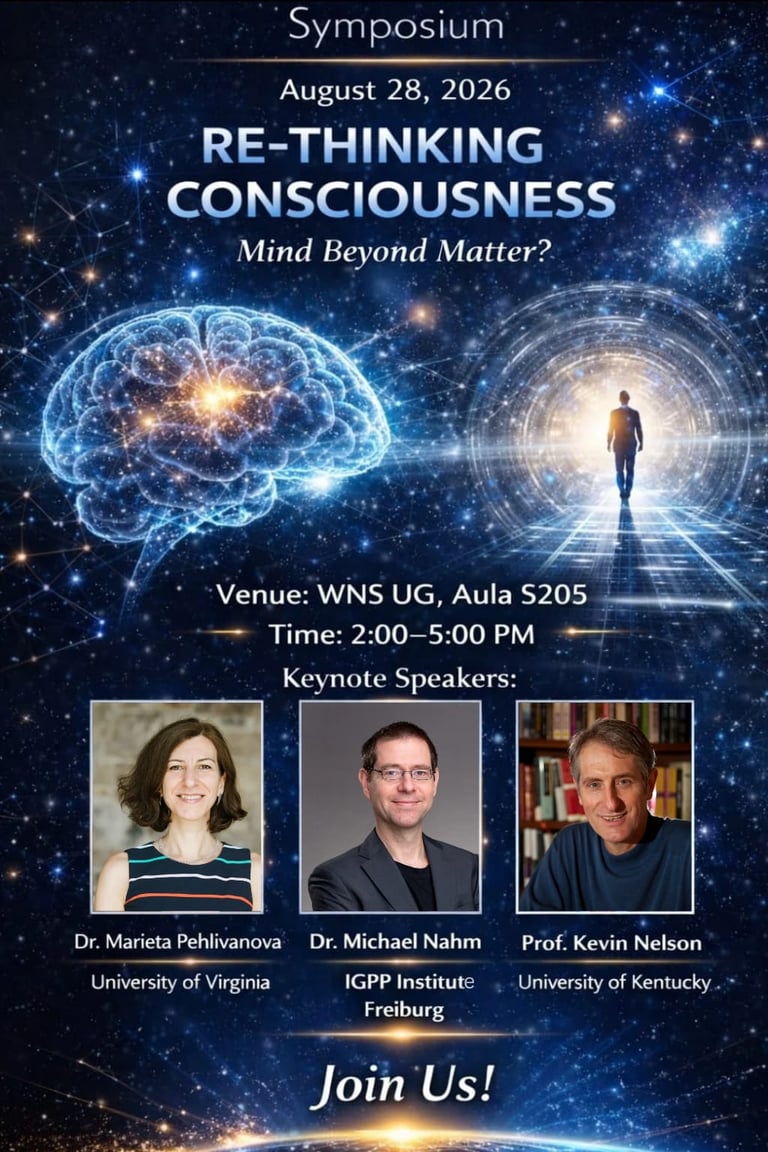
We also wish to draw attention to the expanding field of consciousness studies, which draws from both psychological and philosophical perspectives. We are particularly interested in exploring dimensions such as bodily awareness, self-awareness, and altered states of consciousness, as well as how these phenomena contribute to psychological resilience, emotional regulation, and the development of identity.
Furthermore, we will explore perinatal mental health and family & gender psychology, recognizing that both are deeply shaped by cultural norms, expectations, and support systems, but also by individual characteristics such as age or gender. This session invites contributions that bridge scientific research, clinical practice, and cultural analysis to foster a richer understanding of human well-being across contexts.
Key thematic area – mental health in different perspectives:
Family Dynamics and Mental Health
Perinatal Mental Health
Gender Psychology
Spirituality and Well-Being
Consciousness Studies
Presentation types include:
oral presentations during symposiums and thematic sessions,
blitz presentations,
poster presentations, and
practical workshops.
Papers based on selected studies presented during the congress will be published in a Special Issue of Health Psychology Report (IF: 2.2) [see:https://aspic.ug.edu.pl/call-for-papers/ ].
If you have any further questions regarding the content or timeline, please feel free to contact us:
Joanna Różycka-Tran, joanna.tran@ug.edu.pl
Aleksandra Lewandowska-Walter, aleksandra.lewandowska-walter@ug.edu.pl
Paulina Pawlicka, paulina.pawlicka@ug.edu.pl
Klaudia Bochniarz, klaudia.bochniarz@ug.edu.pl
Paweł Jurek, pawel.jurek@ug.edu.pl
We look forward to welcoming you to Gdańsk in August 2026!
The Euro-Asian Scientific Congress on Mental Health
25–28 August 2026 | Gdańsk, Poland
Upcoming events
You can meet us there
The Euro-Asian Scientific Congress on Mental Health | 25–28 August 2026 | Gdańsk, Poland
Past Events
Explore our gallery showcasing past conferences and events.
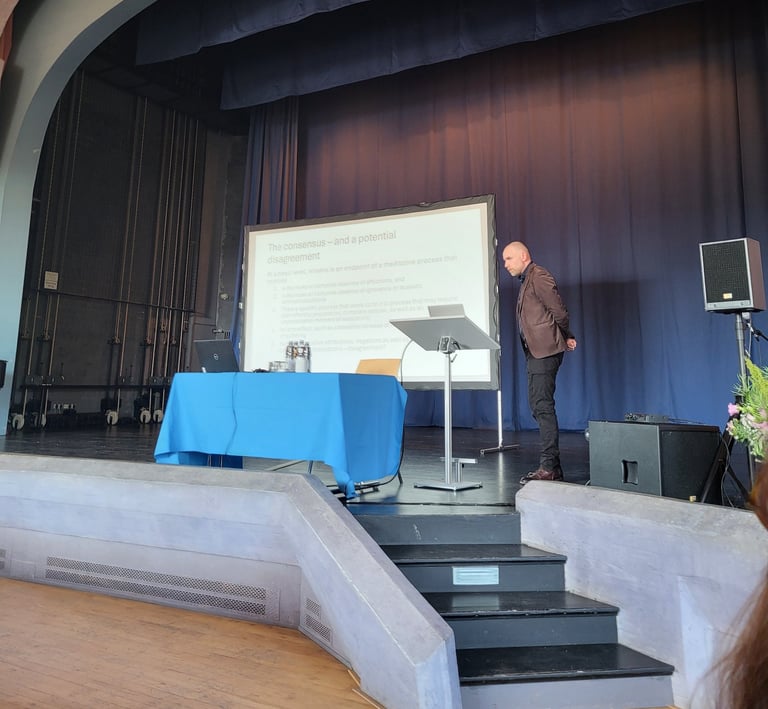
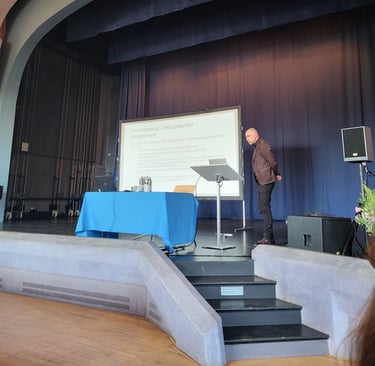
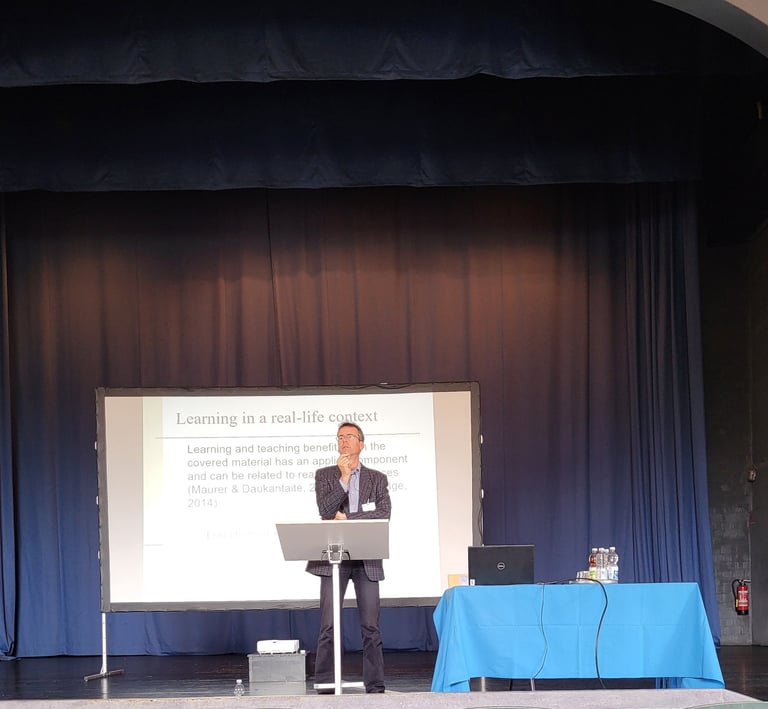
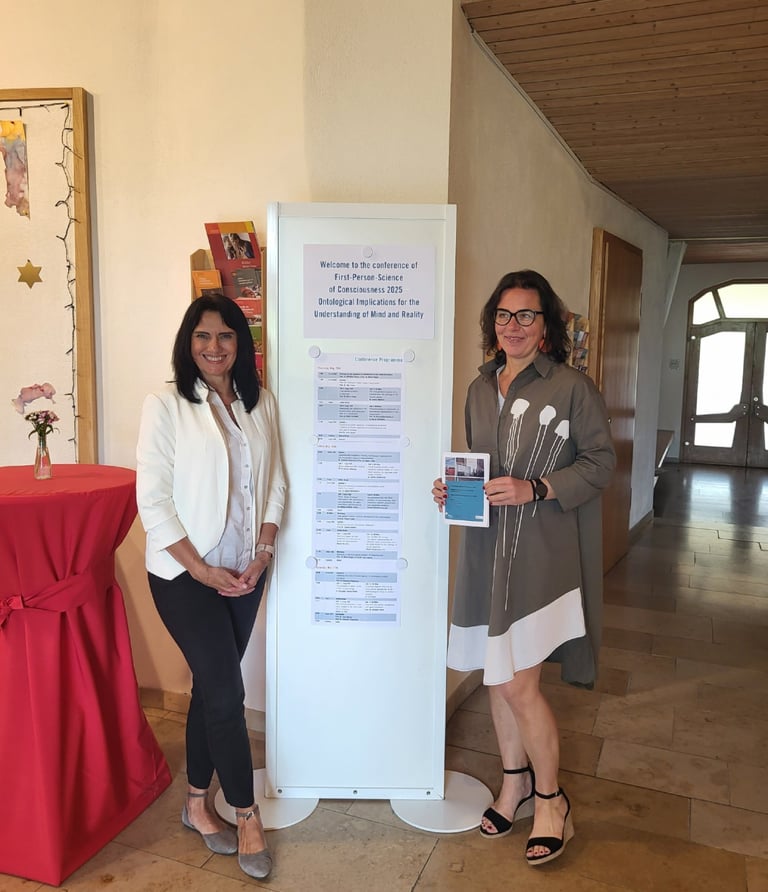
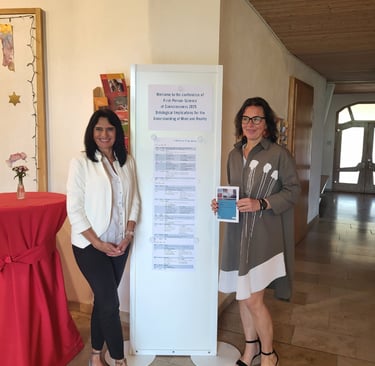
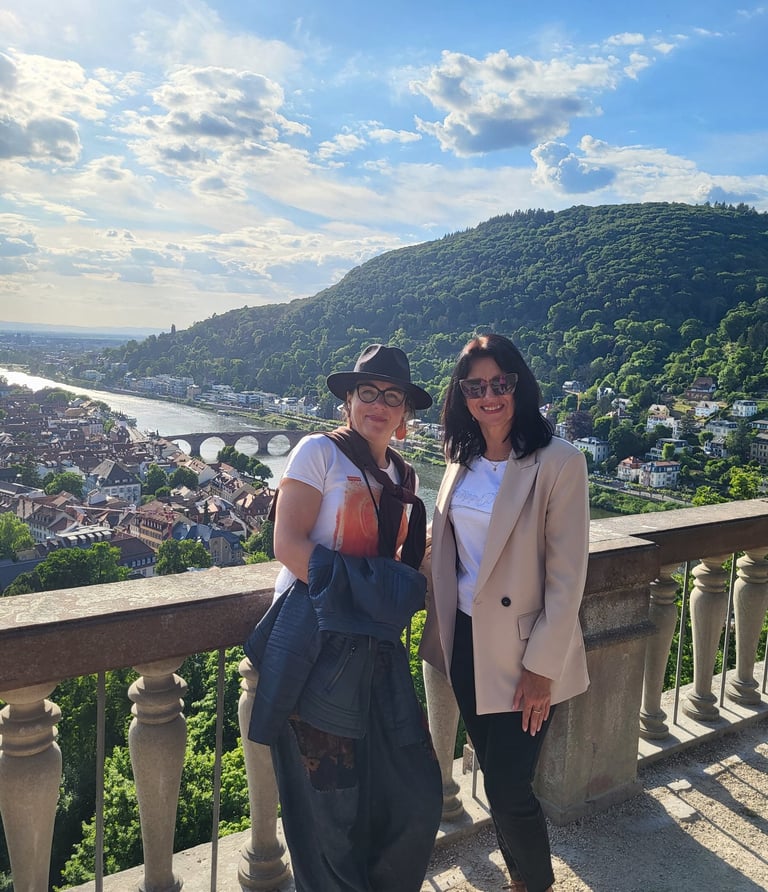
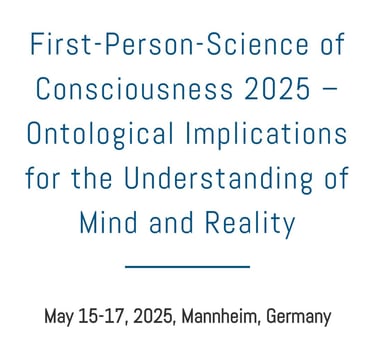
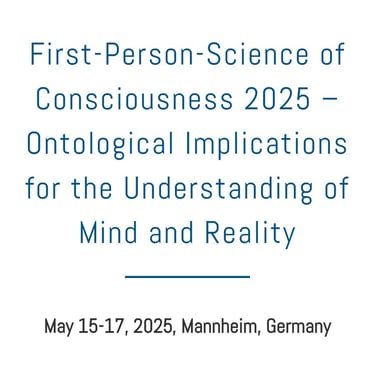
In May 2025, a scientific conference on consciousness was held in Mannheim, Germany. We participated in it to learn about the perspective presented by the organizers. From our observation, it appears that science continues to ask whether consciousness can exist beyond the material dimension.
Get in Touch
Contact us for information about upcoming events and where to find us! We're eager to connect and share our schedule with you.
contact@conreas.com
Consciousness Research Association
The Association for Consciousness Research
Contact
contact@conreas.com
© 2024. All rights reserved.